
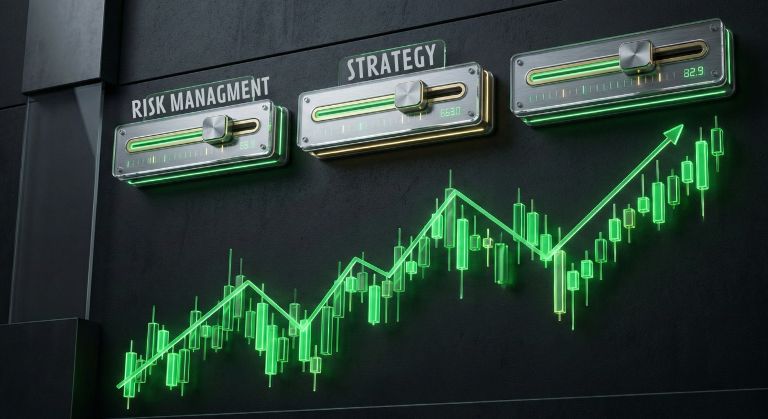
3 Habits For Effectively Managing Your Active Positions
⏱️ Estimated Reading Time: 5 minutes
📝 Summary: In trading, monitoring and adjusting your open trades is just as crucial as your initial setup. This guide details three practical habits to help you effectively manage active positions, protect your capital, and maximize potential profits in dynamic markets.
Success in trading doesn’t stop the moment you hit the “Buy” or “Sell” button. In fact, how you manage your trades after they become active often makes the difference between an amateur and a professional trader. No matter how solid your initial trading plan is, the market is constantly evolving, and adaptability is the key to long-term survival.
To help you optimize your results and keep your emotions in check, we have structured three fundamental habits that you need to integrate into your daily routine to effectively manage active positions.
Table of Contents
Key Takeaways
- Market Awareness: Economic reports and breaking news can quickly invalidate a perfect technical setup.
- Adaptability: Flexibility doesn’t mean a lack of discipline; it means adapting to new market conditions.
- Risk Mitigation: Dynamically adjusting your Stop Loss and reducing your exposure are essential tactics for minimizing risk.
1. Stay in Touch with the Market
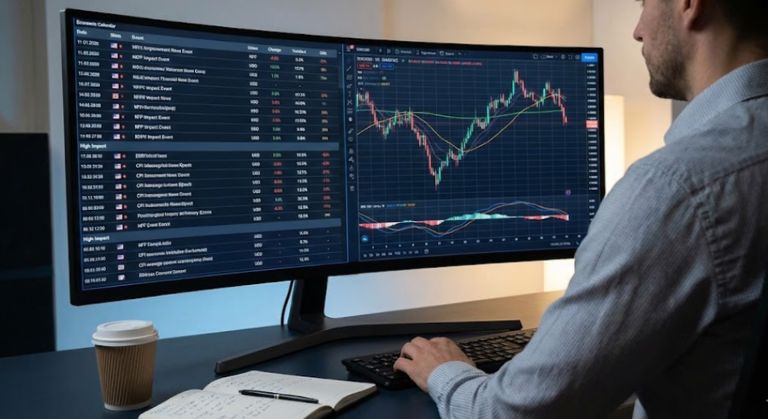
Whether you are a hardcore technical trader who relies solely on price action or a fundamentals trader, you cannot deny the influence that economic reports have on volatility. This is exactly why it pays to keep a close eye on the economic calendar and events that pose sudden risks to your open trades.
Some say that the market’s reaction to the news is far more important than the news itself. But how can you capitalize on that reaction if you are caught completely off guard? Always pay attention to potential game-changers that might invalidate or divert the direction you expect your trade to play out.
2. Be Flexible with Your Trading Plan
Being “flexible” doesn’t mean being totally spontaneous and ignoring your risk management rules. It simply means making calculated adjustments based on factors that have changed since you formulated your initial entry plan.
Time can be a silent enemy in trading. The longer you keep your trade open, the more you expose it to different event risks. You must constantly ask yourself: “Is this setup still valid?”
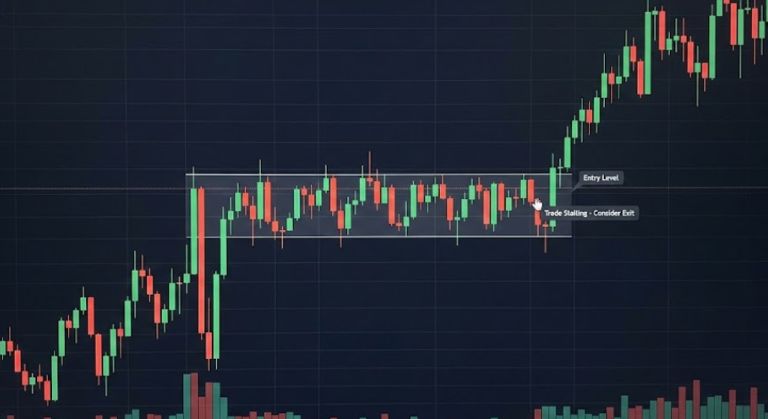
For example, let’s say you spotted a potential “Double Top” pattern on the EUR/USD for an intraday trade. You shorted at the top and are waiting for the price to drop. If, after a few trading sessions, you see that the pair is just ranging near your entry level, your initial scenario is losing its strength. Taking partial profits or closing the trade early at breakeven might be the wisest decision.
3. Update Your Orders and Position Sizes
Just because you have the ideal reward-to-risk ratio on paper doesn’t mean you shouldn’t tweak your order levels as the trade progresses. Remember, your primary goal is to minimize your risk.
If the market starts to move against you, but you believe your core trading idea still has technical merit, you might want to cut back on your position size (scale out). On the other hand, if the price action turns out to be better than expected, you should consider moving your Stop Loss into profit (trailing stop) or taking partial profits along the way to secure your gains.
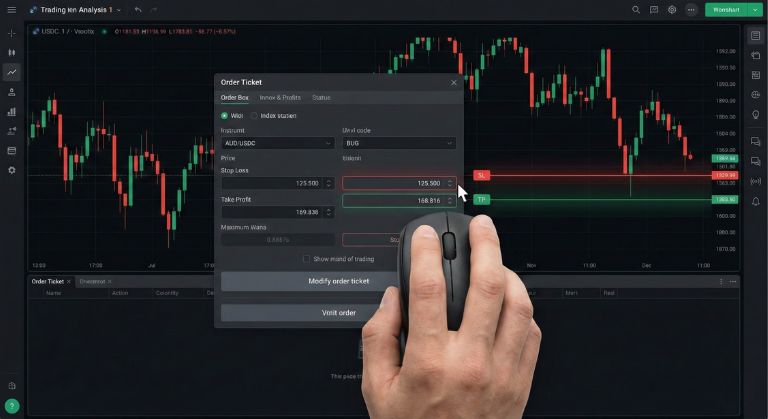
Lower Your Risk and Trading Costs!
Properly managing your positions includes minimizing implicit costs. Link your account to FXRebate and earn cashback on every trade you execute.
Frequently Asked Questions
How do I know when to close a trade early?
You should consider closing a trade early if the price action structure has radically changed, if a major news event has invalidated your technical scenario, or if the price stalls unreasonably long in a major support/resistance zone.
Should I ever move my Stop Loss further away?
Generally, no. Moving a Stop Loss further into negative territory increases your risk and breaks your initial trading plan. Stop Losses should only be moved in the direction of your trade to lock in profits or reduce risk.
⚠️ Disclaimer: The content of this article is strictly for informational purposes and does not constitute investment advice. FXRebate is a cashback and affiliate service, not a broker or fund manager; responsibility for trades and funds lies exclusively with the third-party broker. Trading with leverage involves high risks of capital loss. Partner links used do not generate additional costs for you.