
FXRebate Education · Practical trading guide
Quick answer
FCA, CySEC and ASIC are three of the most frequently referenced regulators in the retail forex and CFD market. All three supervise financial-services firms, but they operate under different legal systems and their rules, permissions, complaint mechanisms and retail protections are not identical.
The most important point is not which regulator has the strongest marketing reputation. It is which legal entity actually holds your account and which rules apply to that entity.
Key Takeaways
- FCA regulates relevant financial-services firms in the UK.
- CySEC supervises Cyprus investment firms within the EU regulatory framework.
- ASIC supervises Australian financial-services licensees.
- A broker group can operate several entities under different regulators.
- The regulator attached to the website headline may not be the regulator attached to your account.
1. Why Traders Compare Regulators
A regulator determines the legal framework in which a broker operates.
That framework can affect areas such as:
- licensing and capital requirements;
- treatment of client money;
- conduct and disclosure obligations;
- leverage or product-intervention rules;
- complaints and dispute-resolution processes;
- regulatory reporting;
- permitted products and client categories.
That does not mean one logo can tell you whether a broker is suitable for you. Regulation is one part of due diligence.
2. FCA — United Kingdom
The Financial Conduct Authority regulates financial-services firms and financial markets in the UK.
The FCA Financial Services Register is the official public record of firms, individuals and other bodies that are or have been authorised or registered. The register can show regulatory status, permissions, history and other information.
For retail traders, practical checks include:
- exact legal entity;
- Firm Reference Number;
- authorisation status;
- relevant permissions;
- approved or registered contact details;
- warnings or clone-firm notices.
The FCA also provides a Firm Checker designed to help consumers confirm whether a firm has permission to offer a particular financial product or service.
3. CySEC — Cyprus and the EU Framework
The Cyprus Securities and Exchange Commission supervises Cyprus Investment Firms and other regulated entities.
CySEC publishes lists of:
- Cypriot Investment Firms;
- former investment firms;
- approved domains;
- tied agents;
- other regulated entities.
For traders, the legal entity and approved domain are particularly important. A website may market a global broker brand, while the CySEC-regulated company serves only eligible clients in specific jurisdictions.
CySEC-regulated firms operate within the broader EU financial-services framework. Retail CFD protections in the EU have been shaped by ESMA product-intervention measures and national implementation.
4. ASIC — Australia
The Australian Securities and Investments Commission supervises Australian Financial Services licensees.
ASIC’s Professional Registers Search allows users to check:
- AFS licence holders;
- authorised representatives;
- licence status;
- licence number;
- company information;
- authorised services;
- website information where available.
ASIC states that firms conducting a financial-services business generally need an AFS licence unless an exemption applies or they act as a representative of another licensee.
ASIC also warns that licensing is a point-in-time assessment and does not guarantee the quality or integrity of every service offered by the licensee.
5. FCA vs CySEC vs ASIC — Practical Comparison
| Area | FCA | CySEC | ASIC |
|---|---|---|---|
| Primary jurisdiction | United Kingdom | Cyprus / EU framework | Australia |
| Public register | FCA Financial Services Register | CySEC regulated-entity registers | ASIC Professional Registers Search |
| Typical identifier | Firm Reference Number | CIF licence number | AFSL number |
| Domain checks | Firm/contact data and warnings | Approved domains available for CIFs | Website addresses increasingly available on PRS |
| Retail protections | UK rules and product restrictions | EU/Cyprus rules and ESMA-derived CFD protections | Australian rules and ASIC product intervention |
| Key trader task | Verify firm + permissions | Verify CIF + approved domain | Verify AFSL + services |
This table is a high-level guide. The exact protections depend on the product, entity, client classification and current rules.
6. Why Broker Groups Use Multiple Entities
A global broker may need separate regulated companies because financial regulation is jurisdiction-specific.
A group may therefore have:
- a UK company for eligible UK clients;
- a Cyprus company for eligible EU/EEA clients;
- an Australian company for eligible Australian clients;
- additional entities for other regions.
The marketing brand can remain the same while the contracting company changes.
7. Retail CFD Protections Can Differ
Examples of protections that may differ by jurisdiction include:
- leverage limits;
- margin close-out rules;
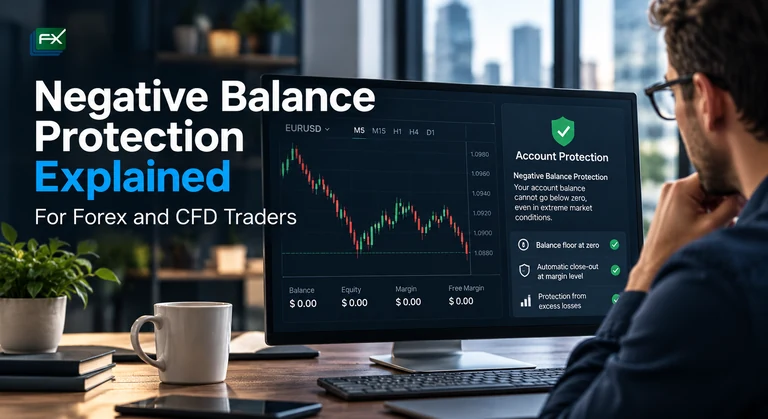
- negative balance protection;
- risk warnings;
- promotional restrictions;
- compensation or complaints mechanisms.
ESMA’s CFD product-intervention framework introduced leverage limits, margin close-out and negative balance protection for retail CFD accounts in the EU. UK rules have continued to include comparable retail CFD protections under the FCA framework.
Australia also introduced product-intervention measures for CFDs, including leverage limits and negative balance protection for retail clients.
Always check the current rules applying to your specific account entity.
8. Which Regulator Is “Best”?
The more useful question is:
Which regulated entity will contract with me, and what protections and trading conditions apply to that account?
A regulator should not be evaluated only as a badge. Consider:
- whether the licence is valid;
- whether the firm has the required permissions;
- whether the website is genuine;
- whether the entity serves your country;
- what client-money rules apply;
- what dispute-resolution options apply;
- whether the trading conditions suit your needs.
9. How to Verify Each One
FCA
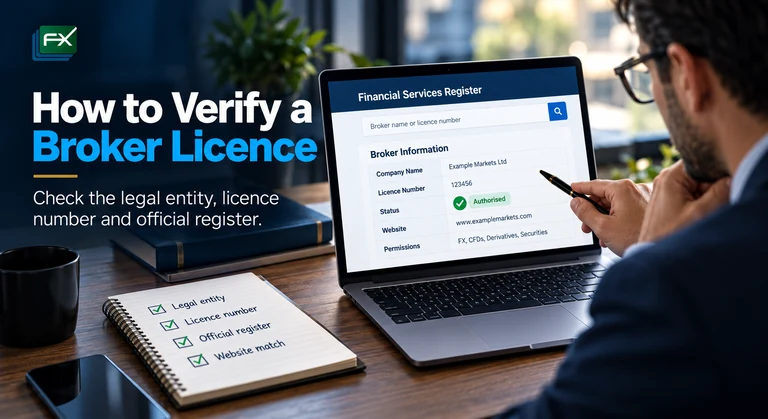
Search the FCA Firm Checker or Financial Services Register using the legal entity or Firm Reference Number.
CySEC
Search the CySEC Investment Firms list and verify the legal entity, licence number and approved domain.
ASIC
Search ASIC’s Professional Registers by company name or AFSL number and review the status and authorised services.
10. A Multi-Regulated Brand Is Not One Single Licence
If a broker states that it is “regulated by FCA, CySEC and ASIC”, that usually refers to separate companies within the group.
Your account will normally sit under one legal entity, not all three simultaneously.
That is why the Client Agreement matters more than a row of regulator logos in the website footer.
Related FXRebate reading

Frequently Asked Questions
Is FCA regulation the same as CySEC regulation?
No. They operate under different legal frameworks. Both can impose significant requirements, but the specific protections, permissions and complaint processes differ.
Is an ASIC licence enough to prove a website is genuine?
No. Verify the company and website details through ASIC’s official register. Criminals can copy genuine licence numbers.
Can a broker move my account between entities?
A broker group may propose a change of contracting entity, depending on law, client eligibility and business structure. Read any migration notice carefully and verify the new entity independently.
Does a multi-regulated broker mean every client gets the same protections?
No. Protections depend on the entity serving the client and the applicable jurisdiction.
Your next step
Compare brokers with the right entity in mind.
Use what you have learned to compare participating brokers, account conditions and available cashback. Check that the broker and account route are available in your country.