
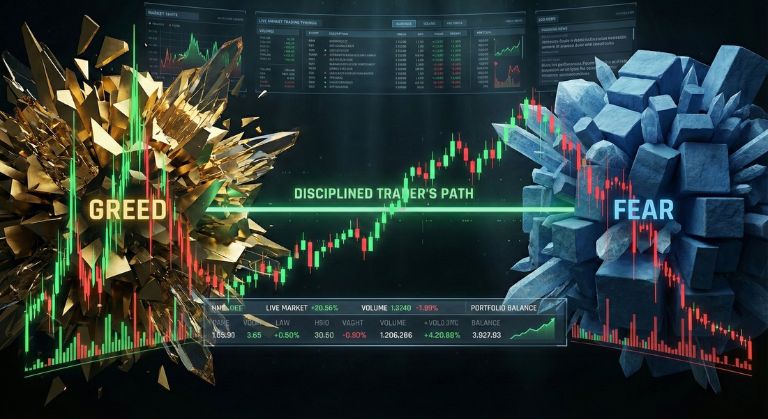
Beware of “Mr. Fear” and “Mrs. Greed” – They Are Not Your Friends!
⏱️ Estimated Reading Time: 6 minutes
📝 Summary: Emotional discipline is the hallmark of great traders. This article personifies Fear and Greed, explaining how to manage them and why consistency—like Warren Buffett’s—is the true secret to wealth.
It is often said that the best traders are the least emotional. In the high-stakes world of trading, you are constantly accompanied by two dangerous companions: “Mr. Fear” and “Mrs. Greed.” Understanding their whispers and learning to ignore them is the first step toward long-term profitability.
Table of Contents
Key Takeaways
- Fear as Tuition: Losses are the cost of business; use them to build experience, not anxiety.
- Greed Kills: Impatience and over-leveraging are the quickest ways to blow an account.
- Consistency: A sustainable 20% annual return beats chasing a one-time 1000% jackpot.
- Long Game: Trading is a marathon. Compound interest works best with time and patience.
1. Dealing with “Mr. Fear”
Why should one fear the possibility of losing money? Only if you are investing more than you can afford to lose. There is no such thing as a risk-free investment. Consider financial losses as the tuition fee for becoming profitable. Even institutional traders at major banks incur losses; the difference is they view it as an operating cost.
Trading should be seen not as a single transaction but as a journey. Test theories on a demo account, build confidence, and use fear only as a signal to check your risk management—not as a reason to freeze.
2. Ignoring “Mrs. Greed”
“Mrs. Greed” appears when things are going well—or when you are desperate. She whispers dangerous advice: “Open a buy position here, aim for higher profits, move the stop loss by 20 pips.”
Trading is a marathon, not a sprint. Greed feeds off impatience. Once you have defined your strategy and risk parameters, do not allow greed to override your logic. As H. Jackson Brown said: “Don’t give up on a goal just because it will take time. Time will pass anyway.”
3. What Is the Key to Success?
Many beginners dream of doubling their account in a month. But the secret to real wealth is sustainability.
Warren Buffett, arguably the greatest investor of all time, earns an average annual return of approximately 19.7%. This figure may not seem flashy, but his consistency over decades is what made him a billionaire.
4. The Warren Buffett Approach
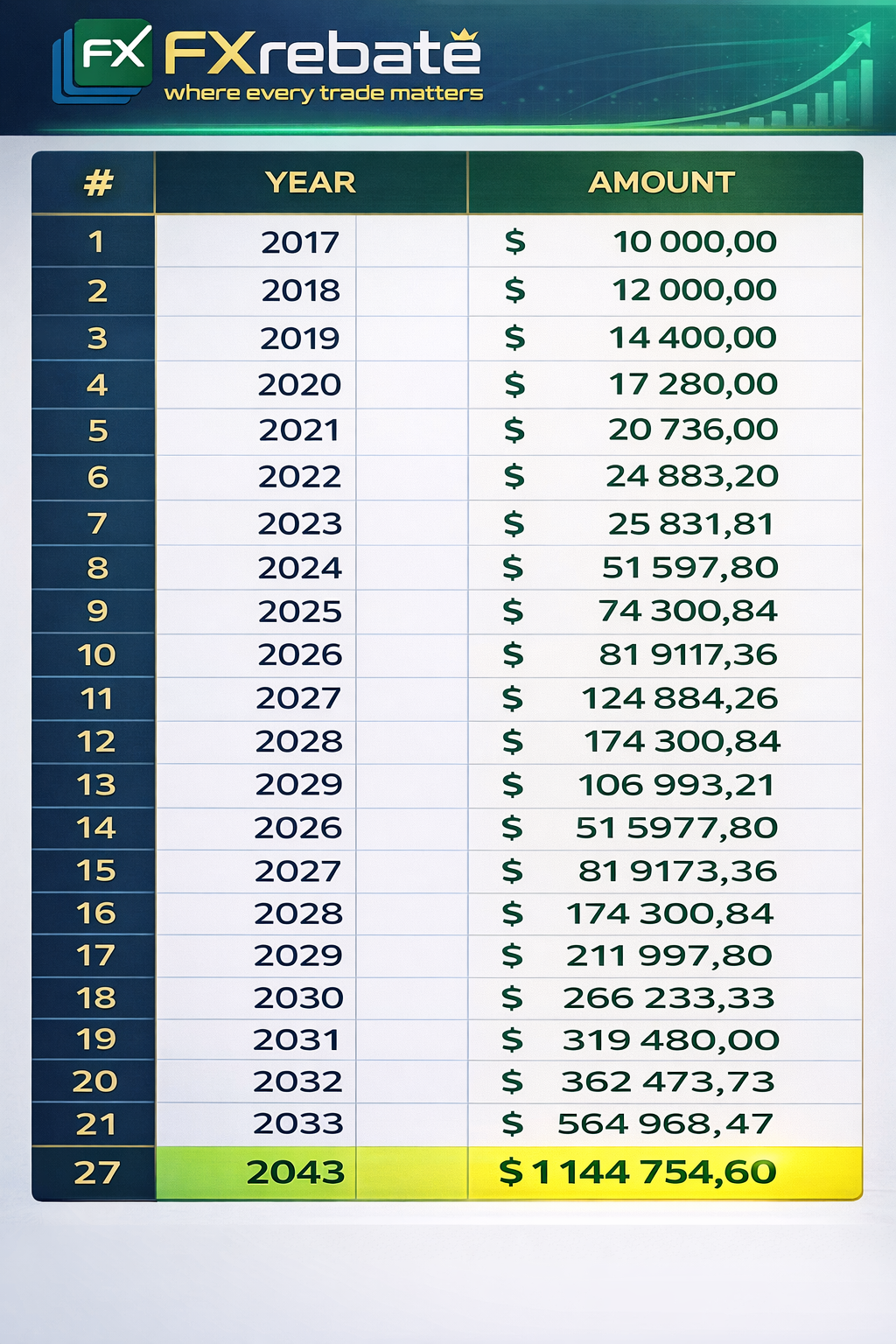
Try this experiment mentally: Start with an investment of $10,000, add 20% annually, and observe the results over 30 years. Thanks to compound interest, you’ll become a millionaire. It requires patience, but it is a proven path to financial freedom.
Master your trading psychology.
Start trading with discipline. Open an account and get rewarded for every trade.
Frequently Asked Questions
How can I overcome fear in trading?
Start small. Trade position sizes that don’t make you nervous. As you build a track record of following your rules, confidence will replace fear.
Why is greed dangerous?
Greed causes you to ignore your risk management rules, over-leverage, and hold losing trades hoping for a miracle. It is the primary cause of blown accounts.
What is a realistic annual return for a trader?
Professional traders and investors like Warren Buffett aim for consistent returns of 15-20% annually. Aiming for 100% per month is gambling, not trading.
⚠️ Disclaimer: The content of this article is strictly for informational purposes and does not constitute investment advice. FXRebate is a cashback and affiliate service, not a broker or fund manager; responsibility for trades and funds lies exclusively with the third-party broker. Trading with leverage involves high risks of capital loss. Partner links used do not generate additional costs for you.